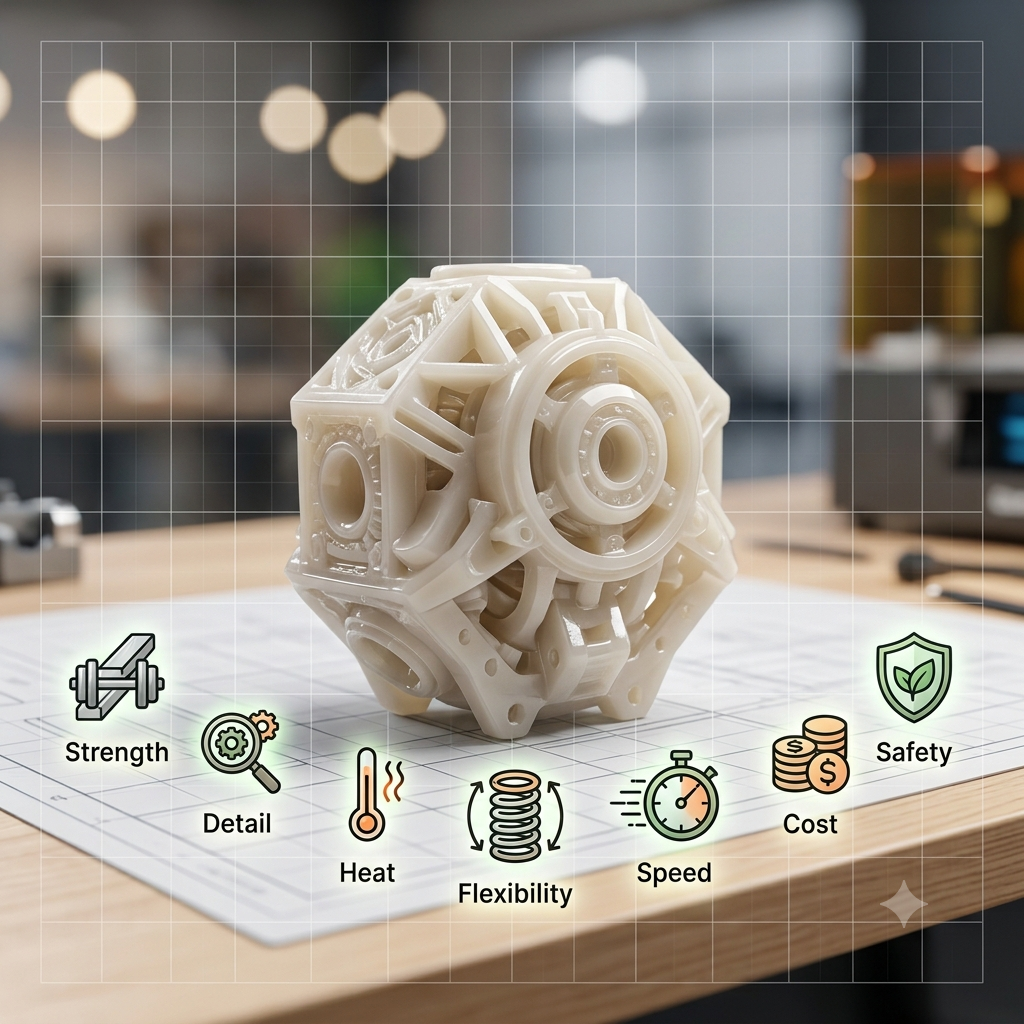

What Makes the Best Resin for Miniatures?
Choosing the best resin for miniatures depends on three key factors: detail accuracy, durability, and surface quality. The right resin helps create models with sharp features, smooth finishes, and reliable performance.
High Detail and Precision
High-quality miniatures require resin that can accurately reproduce tiny features such as facial details, armor textures, and small accessories. A high resolution resin with low shrinkage and excellent dimensional accuracy helps create sharper edges and finer details. Choosing a detailed miniature resin ensures better print quality for tabletop figures, collectible models, and highly detailed characters while reducing the need for extra post-processing.
Strength and Durability
Miniatures need more than just fine details—they also need enough strength to withstand handling. Standard resin offers excellent detail but can be brittle, making thin parts easier to break. Durable resin for miniatures, such as ABS-like resin or tough resin, provides better impact resistance and flexibility, making it ideal for gaming miniatures and models that are frequently moved or handled.
Surface Quality and Paintability
A smooth surface finish makes miniatures easier to prepare and paint. High-quality resin reduces visible layer lines, requires less sanding, and provides better paint adhesion. For hobbyists who create detailed color schemes, resin with excellent surface quality helps preserve small textures and improves the final appearance. The right resin can make both post-processing and painting more efficient.
Resin vs Filament: Which Is Better for Miniatures?
When choosing a material for miniature models, resin 3D printing and filament printing offer different advantages. Resin printing uses liquid photopolymer materials to create highly detailed resin prints with smooth surfaces and fine features, making it ideal for small models and collectibles. In contrast, FDM printing uses plastic filament, which is generally more affordable and provides stronger parts for larger projects. The best choice depends on whether you prioritize visual detail, durability, cost, or the purpose of your 3D print project.
When to Choose Resin Printing
A resin printer or resin 3D printer is the preferred choice when detail and surface quality are the top priorities. Resin printing is ideal for miniatures, collectible figures, character models, and detailed prototypes that require sharp edges and complex designs. The high resolution of resin 3D printing allows creators to capture tiny textures and intricate features that are difficult to achieve with traditional filament printing. For projects where appearance matters most, resin provides a smoother and more professional finish.
When to Choose FDM Printing
FDM printing is a great option for users who need strong, affordable, and larger models. Using durable plastic filament, FDM printers can produce functional parts, prototypes, tools, and large-scale designs with lower material costs. While FDM may not match resin printing in fine details, it offers excellent strength, easy operation, and a wider range of materials. For practical applications where durability and size are more important than surface finish, FDM remains a reliable choice.
Different Types of Resin for 3D Printing
Understanding different resin types helps you choose the best material for your specific project. Each type of resin is designed with different properties, making them suitable for various applications. Most photopolymer resins used in 3D printing materials are developed to balance detail, strength, and ease of use. Whether you are creating display models, gaming miniatures, or functional parts, selecting the right resin can improve print quality, durability, and overall printing performance.
Standard Resin
Standard resin is one of the most popular choices for everyday resin printing applications. As a versatile 3D printer resin, it delivers excellent detail accuracy, smooth surfaces, and reliable printing results. It is ideal for display models, collectible figures, and high-detail miniatures where appearance is the main priority. Standard resin is often recommended for users who want sharp details and a clean finish without requiring advanced mechanical properties.
Tough Resin
Tough resin is designed for projects that require improved durability and resistance to impact. With enhanced toughness, this type of resin for 3D printing is suitable for gaming miniatures, functional parts, and models that need to withstand regular handling. Compared with standard resin, tough resin offers better flexibility and strength while maintaining good detail quality. It is a great option for creators who need a balance between visual quality and mechanical performance.
Water-Washable Resin
Water-washable resin is a convenient option, especially for users who are new to resin printing. Unlike traditional resins that require alcohol-based cleaning solutions, this resin can be cleaned with water, making the post-processing process easier and more accessible. For beginners working with resin, water-washable resin provides a simpler workflow while still delivering good detail and smooth finishes. It is a practical choice for hobbyists, students, and first-time resin printing users.
How to Choose the Right Resin for Your 3D Printing Project
Selecting the right resin for your 3D printing project depends on your desired level of detail, durability, and application requirements. The best resin is not always the same for every user. Some projects require maximum precision and smooth finishes, while others need stronger materials that can withstand handling and stress. Understanding the differences between resin options will help you choose a material that matches your goals and achieve better results with your 3D prints.
Resin for Display Miniatures
For display models and collectible figures, resin for 3D printing should focus on detail accuracy and surface quality. A high-detail resin can reproduce small features such as facial expressions, textures, and intricate designs with excellent precision. These resins are ideal for artists, collectors, and hobbyists who want a smooth appearance and professional-looking results. When visual quality is the main priority, choosing a resin designed for fine details can significantly improve the final model.
Resin for Tabletop Gaming Models
Tabletop gaming miniatures require a balance between detail and durability. The ideal resin should capture important character details while providing enough strength to handle frequent use. A durable resin helps prevent small parts, such as weapons, accessories, and thin structures, from breaking during gameplay or transportation. Choosing a resin that combines accuracy with toughness allows gamers to create models that look great while remaining practical for regular use.
Resin for Professional Prototypes
For professional applications and industrial 3D printing, resin selection often focuses on strength, accuracy, and consistent performance. Prototype models require materials that can maintain precise dimensions while representing the final product design effectively. Engineering-grade resins are commonly used for functional testing, product development, and detailed prototypes where reliability is essential. Choosing the right resin helps businesses create accurate models, reduce development time, and improve the overall efficiency of the design process.
Tips for Better Resin Prints
Achieving high-quality resin prints requires more than just choosing the right material. In 3D resin printing, proper settings and post-processing steps play an important role in improving print quality. Adjusting exposure settings helps ensure accurate curing and better detail reproduction, while using proper supports can prevent failures and surface defects. After printing, thorough washing and curing are essential for achieving a smooth and durable finish. Proper resin storage, including keeping bottles sealed and away from heat or sunlight, also helps maintain consistent printing performance.
Frequently Asked Questions About Miniature Resin
What is the best resin for miniatures?
The best resin for miniatures depends on your needs. Standard resin is great for detailed models and smooth finishes, while tough resin is better for miniatures that need extra durability. Choosing the right 3D printing resin helps achieve better details, stronger parts, and more reliable prints.
Is standard resin good for beginners?
Yes, standard resin is a good option for beginners. It is easy to use, provides excellent detail, and works well for miniatures and display models. Beginners should also learn basic cleaning, curing, and storage methods for better printing results.
Is resin better than filament for miniatures?
Yes, resin printing is usually better for miniatures because it produces finer details and smoother surfaces. Filament printing is stronger and more affordable, but resin is the better choice for models that require high accuracy and visual quality.
Which resin printer is best for miniature printing?
LCD resin printers are popular for miniature printing because they offer high detail, fast printing, and good value. SLA and DLP printers can also provide excellent accuracy for professional users and advanced projects.